
Quick Summary
- Economiser cooling uses naturally cool outdoor conditions, air or water, to reduce the demand on mechanical cooling components, lowering compressor runtime and energy bills.
- Air-side economisers bring in filtered outdoor air to cool the space directly; water-side economisers use outdoor air to pre-cool water or glycol via a heat exchanger.
- Under favourable outdoor conditions, economiser cooling can reduce compressor energy use by up to 70%, with a measurable improvement to PUE.
- Most effective in temperate climates with moderate humidity and good air quality; data centres, telecom facilities, and labs benefit most from the consistent cooling requirements.
- Modern systems integrate AI-driven controls to adapt to real-time weather and load conditions, hybrid liquid cooling for high-density racks, and IoT monitoring for predictive maintenance.
- Economiser cooling works alongside existing refrigerant-based systems, reducing (rather than replacing) compressor operation during suitable conditions.
- Even partial free cooling hours can deliver meaningful annual savings, particularly when combined with advanced controls that maximise the window of economiser operation.
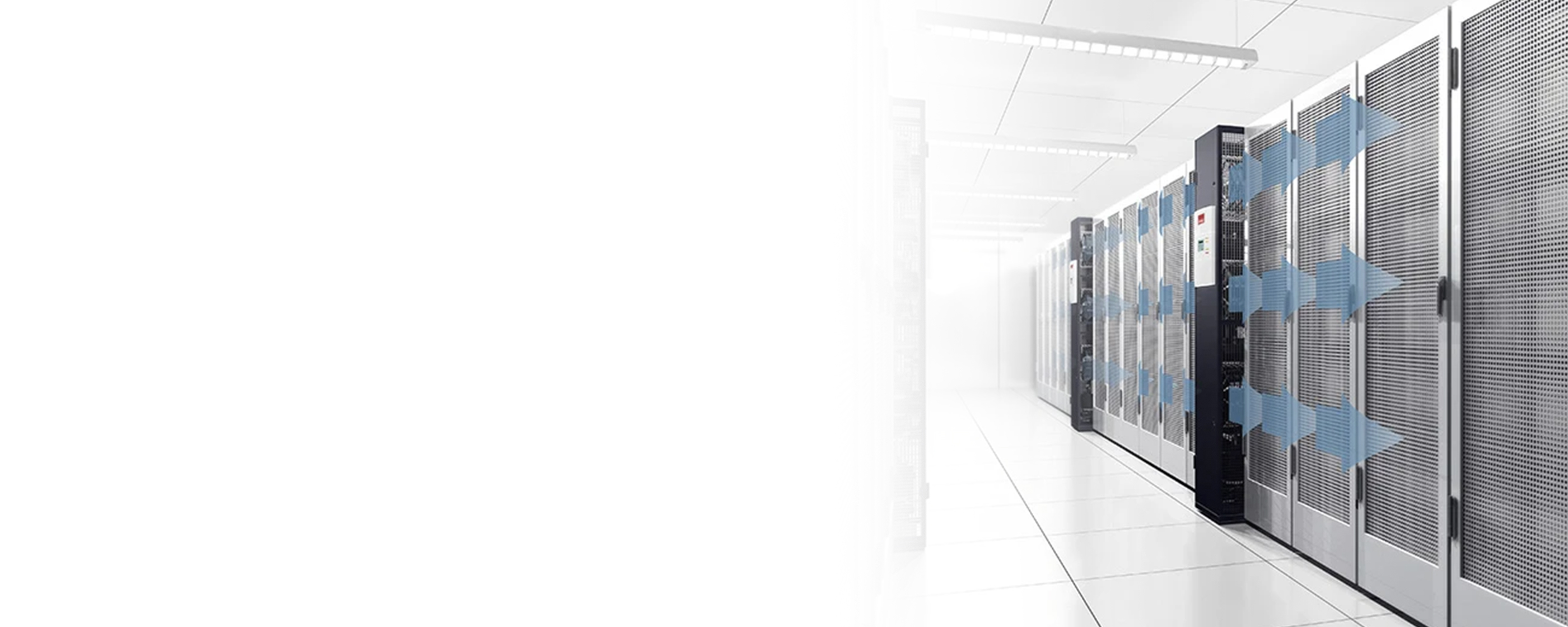
Economiser cooling, also known as free cooling, is a smart way to cut energy use in precision cooling systems. It works by using naturally cool outdoor air or water to support temperature control. This approach helps mission-critical facilities, such as data centres, maintain stable conditions. While at the same time, reducing compressor workload and lowering operating costs.
What Is Economiser Cooling?
Economiser cooling is a system design strategy that reduces mechanical cooling demand by using external environmental conditions to reject heat from indoor spaces.
Economiser cooling takes advantage of outdoor conditions to ease compressor demand and improve cooling efficiency and reliability.
Free Cooling and Its Role in Energy Efficiency
Free cooling doesn’t mean cooling without cost, it means cooling with less mechanical effort. When outdoor temperatures drop, the economiser draws in cool air or water to assist with indoor cooling. This reduces the need for compressors, lowering energy use and minimising wear on critical components.
“Lower Energy Use = Reduced Carbon Footprint = Higher ROI”
How Economiser Cooling Works
Economiser systems can be integrated into both air-based and water-based cooling system designs.
Air-Side Economisers
Air-side economisers draw filtered outdoor air into the system when external conditions are favourable. The process involves:
- Dampers that regulate the proportion of outdoor and return air.
- Sensors that monitor temperature, humidity and air quality.
- Controls that automatically switch between economiser and mechanical cooling modes.
These systems are most effective in temperate climates with clean air and moderate humidity.
Water-Side Economisers
In water-side systems, outdoor air cools a fluid, typically via a dry cooler or cooling tower. This transfers heat from the chilled-water loop without running compressors.
This design suits environments with high internal heat loads. It can easily integrate into precision cooling or chiller systems.
Learn more: Chiller Units and Precision Cooling Systems

Benefits of Economiser Cooling in Data Centres and Cooling Systems
Smarter cooling means lower bills, longer equipment life and a smaller environmental footprint.
Energy and Cost Savings
- Reduces compressor runtime and electricity use by up to (can we include a %), depending on climate.
- Cuts energy bills and operating costs while contributing to lower PUE (Power Usage Effectiveness).
- May qualify for green building credits or energy efficiency incentives.
Extended Equipment Lifespan and Sustainability
By reducing mechanical strain, economiser cooling:
- Extends the service life of compressors and fans.
- Minimises maintenance frequency.
- Supports corporate sustainability targets by lowering carbon emissions.

When Economiser Mode Is Most Effective
Economiser performance depends on temperature, humidity and air quality
Ideal Operating Conditions
Economiser cooling is most efficient when:
- Outdoor air temperatures are (is there an optimal temp?)°C lower than return air.
- Humidity levels are moderate (to avoid condensation or moisture imbalance).
- Air quality allows sufficient filtration to protect sensitive IT equipment.
Applications in Critical Cooling Environments
Economiser cooling is particularly beneficial in:
- Data centres, where constant heat loads make partial-year free cooling highly effective.
- Telecom shelters and network hubs, which often operate in climates suitable for extended economiser hours.
- Laboratories and cleanrooms, where precision temperature control is required, but energy reduction is a key goal.
Learn more: Shelter Cooling Solutions and Green Data Centres
Design and Maintenance Considerations
Effective design and regular maintenance are essential to ensure economiser systems operate at peak efficiency.
Key Components: Dampers, Sensors, and Controls
An effective economiser relies on:
- Accurate sensors for temperature, humidity, and CO₂.
- High-quality dampers for precise airflow control.
- Automated controls that seamlessly transition between modes.
STULZ systems integrate intelligent control platforms that consistently optimise cooling performance and efficiency.
Common Issues and Preventive Maintenance
Without regular checks, economisers can underperform. Common issues include:
- Damper or actuator faults.
- Sensor drift or miscalibration.
- Air leakage, which can lead to energy loss.
Routine inspection and calibration ensure reliable operation throughout seasonal changes.
Schedule regular economiser maintenance to sustain peak performance.
The Future of Economiser Cooling Technology
Emerging designs are making economiser cooling even smarter. Modern systems combine:
- AI-driven controls that adapt to weather and load conditions.
- Hybrid liquid cooling integration for high-density racks.
- IoT-enabled monitoring, allowing predictive maintenance and real-time energy tracking.
STULZ continues to innovate with High-Density and Rack-Based Cooling and Liquid Cooling Solutions. All engineered for the next generation of sustainable data centres.
If you’re considering economiser cooling for your facility, consult an experienced cooling specialist to evaluate suitability for your climate and infrastructure.
Related Products
Explore our range of products designed to maximise the benefits of free cooling in data centre environments.
 |  |  |
|---|---|---|
CyberCool Free Cooling Booster | CyberAir 3PRO CW | CyberCool WaterTec |
| Learn More | Learn More | Learn More |
FAQs
- What is economiser cooling?
Economiser cooling, also known as free cooling, is a system that uses naturally cool outdoor air or water to help maintain indoor temperatures. It reduces the need for compressors, cutting energy use and extending equipment life. - How does economiser cooling reduce energy consumption?
By using outdoor conditions when they’re favourable, economiser cooling lessens the demand on mechanical cooling components. This lowers compressor runtime, reduces electricity consumption, and decreases operating costs. - What is the difference between air-side and water-side economisers?
Air-side economisers bring in filtered outdoor air to cool the indoor space, while water-side economisers use outdoor air to cool water or glycol in a heat exchange system. Both methods reduce reliance on traditional mechanical cooling. - Where is economiser cooling most effective?
Economiser cooling works best in temperate climates with moderate humidity and good air quality. Data centres, telecom facilities, and laboratories benefit most due to consistent cooling requirements and opportunities for partial-year free cooling. - What are the main components of an economiser system?
Key components include dampers for airflow regulation, sensors to monitor temperature and humidity, and automated controls that switch between economiser and mechanical modes based on real-time conditions. - How much energy can economiser cooling save?
Savings vary depending on the climate and system design, but economiser cooling can reduce compressor energy use by up to 70% in suitable conditions, significantly improving Power Usage Effectiveness (PUE). - What maintenance does an economiser system require?
Regular inspections are essential to check for damper faults, sensor miscalibration, or air leaks. Preventive maintenance ensures the system operates efficiently across different seasons and environmental conditions. - Is economiser cooling suitable for all data centres?
Most data centres can benefit from economiser cooling, but suitability depends on location, climate, and air quality. A professional assessment can determine whether air-side or water-side economisers will deliver optimal results.